Industries
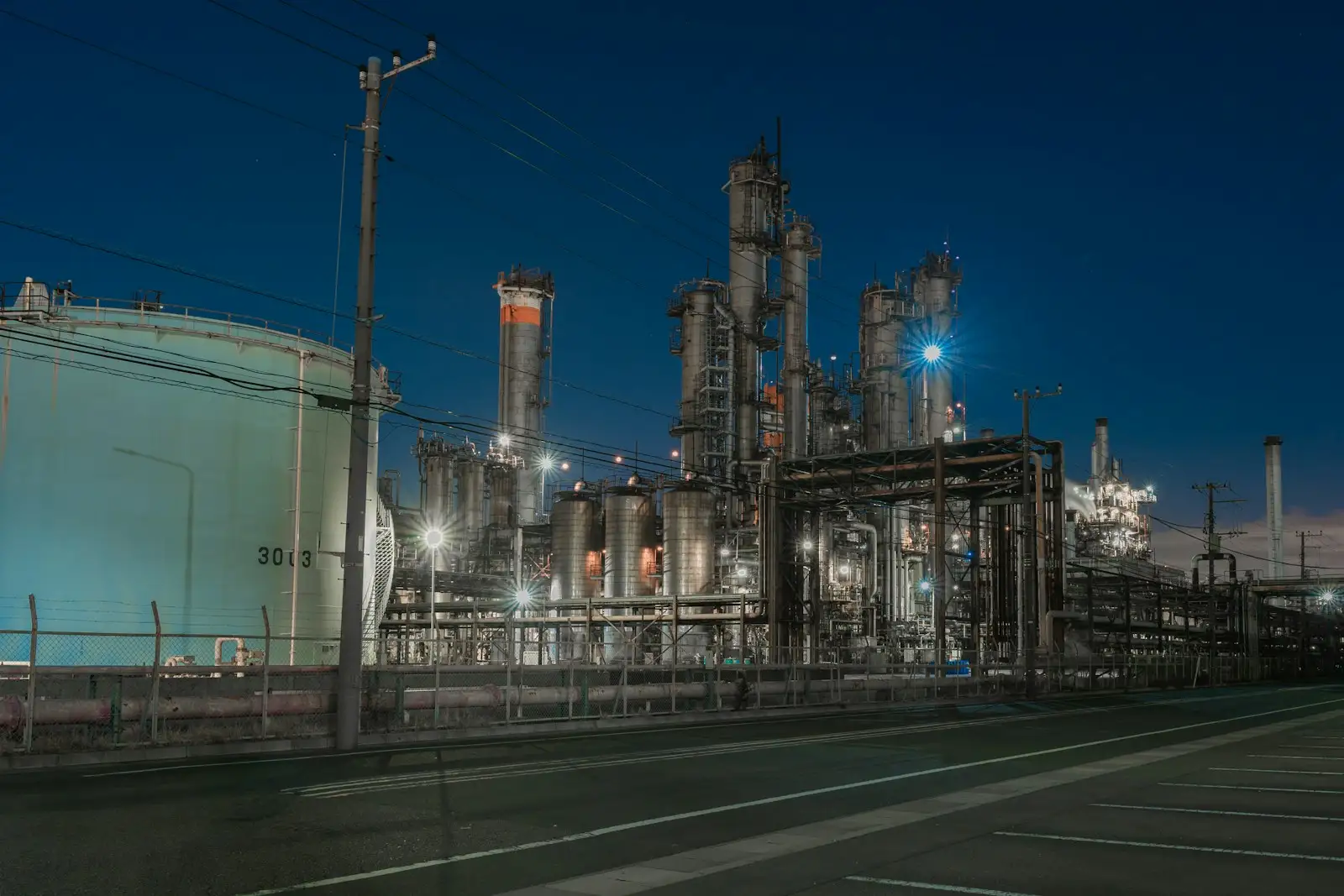
Chemical
Control permits and isolations before maintenance work begins.
On a chemical site, safe work depends on current permit conditions, verified isolations and a competent work party. Paper records make it harder to see whether every requirement is complete and which locks remain active.
Phasis controls the permit workflow and preserves the evidence from request through handback and closure.
Operational challenges
- Permit status and active isolations are difficult to confirm from paper records.
- Near misses and follow-up actions are recorded in separate places.
- Production losses are reviewed after the shift instead of while they occur.
- Schedule changes create competing versions of the weekly plan.
- Future capacity constraints are not visible when demand is committed.
- Preventive maintenance depends on manually managed calendars.
- Monthly utility totals do not show where energy is being lost.
- Calibration status is checked separately from release decisions.
What you get
- Permit issue controlled by completed precautions, competency checks and verified isolation.
- One auditable workflow for incidents, near misses, risks and actions.
- Current production performance with traceable downtime reasons.
- One released schedule for planning and production.
- Advance warning of line capacity constraints.
- Preventive work generated automatically from approved maintenance rules.
- Unaccounted utility consumption measured by line and meter hierarchy.
- Failed instruments quarantined until an authorized QA release.
A practical starting point
Begin with the workflows that address the most important operational priorities, then expand on the same plant model.
Permit to Work
Verify precautions, isolation and competency before work begins.
HSE
Manage incidents, risks and actions in one auditable workflow.
Production & OEE
See production performance while the shift is still running.
Scheduling
Keep planning and production working from one current schedule.
Capacity Planning
Know where capacity will run short before you commit to demand.
Maintenance (CMMS)
Make planned maintenance predictable and give every repair the history behind it.
Utilities & Energy
See where energy is used, where it is lost and whether improvements deliver.
Calibration
Keep overdue and failed instruments out of quality decisions.
The rules you work under
Chemical sites work under Seveso III for major-accident hazards and under REACH and CLP for substances and labeling, and most hold ISO 45001 and ISO 14001. Phasis carries the permit, isolation, incident and risk records those regimes rely on. It is not the safety report and it does not replace a process safety study.
See how Phasis fits your operation.
Tell us which process you want to improve. We will show the relevant workflow using the lines, shifts and decisions your team handles every day.