Safety
Permit to Work
Verify precautions, isolation and competency before work begins.
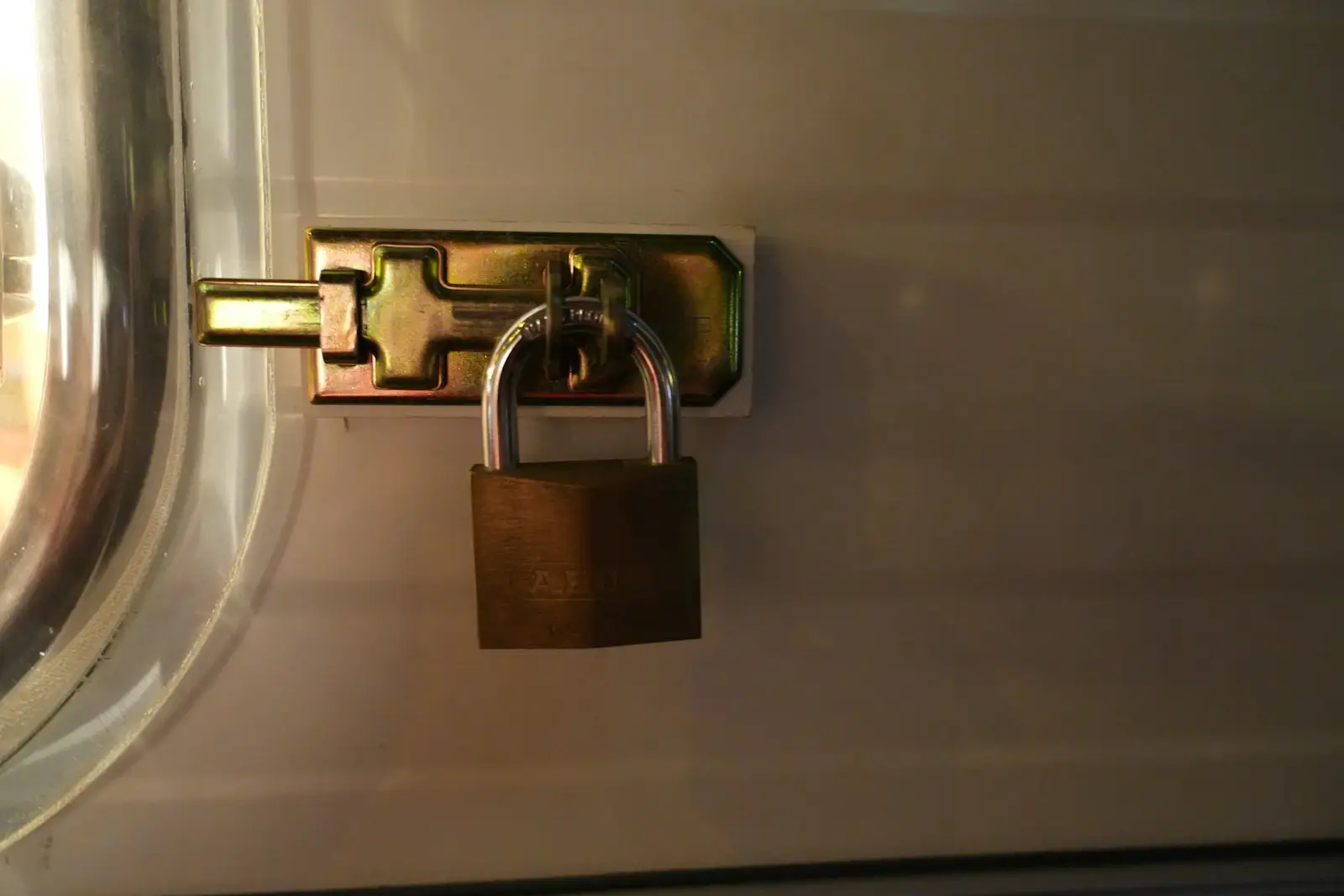
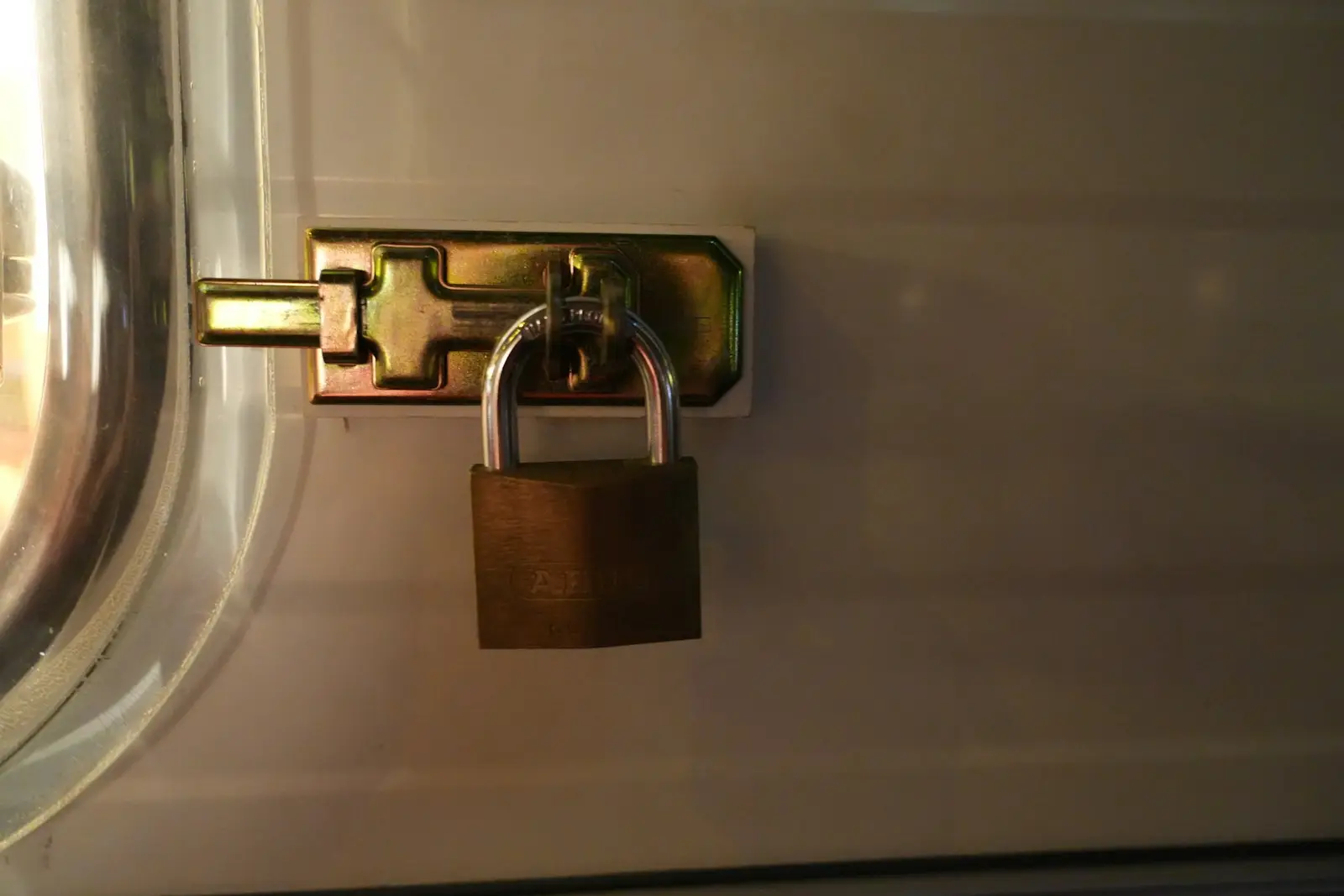
Paper permits make it difficult to confirm current isolations, competency and required precautions before a crew reaches the work area. Phasis prevents issue when a precaution, verified isolation, gas test or competency check is missing, and it prevents closure while any lock remains applied.
The requester identifies the work and the work party, while standard precautions come from the permit type. Skills are checked against the current competency matrix. One person applies an isolation and another verifies it, with every active lock visible on a shared board.
Permit to Work uses competency information from Skills & Training and connects permit requirements to the relevant maintenance job.
Who uses it
Permit Requester
Raises the permit and names the work party.
Authorized Person / Issuer
Approves, issues, suspends and closes permits.
Permit Holder
Takes responsibility for the work party while the job is active.
Isolation Authority
Applies or verifies isolations and records their removal at handback.
HSE Manager
Audits the permit history and the competency exceptions.
How the process changes
- TodayPaper permits make current status and responsibility difficult to see.With PhasisEach permit has a controlled lifecycle, time window and named participants.
- TodayCompetency is checked through local knowledge or separate records.With PhasisThe work party is checked against the current skills matrix and the result is recorded on the permit.
- TodayMissing requirements are discovered when the crew reaches the work area.With PhasisMissing requirements are flagged before the permit is submitted.
- TodayActive isolations depend on local knowledge and physical checks.With PhasisOne board shows each applied lock, isolation point, responsible person and permit.
- TodayPermit closure can be recorded before every isolation is cleared.With PhasisPhasis prevents closure until every lock is removed.
What you get
- Missing permit requirements identified before the crew reaches the work area.
- Independent isolation verification by two named people.
- One current view of every active lock and the permit it belongs to.
- Controlled permit closure that requires all locks to be removed.
See how Phasis fits your operation.
Tell us which process you want to improve. We will show the relevant workflow using the lines, shifts and decisions your team handles every day.